
 In our "What's in a Name?" series, we learn about George Peabody, the namesake of the UA's Peabody Hall
 Ozarks At Large
In our "What's in a Name?" series, we learn about George Peabody, the namesake of the UA's Peabody Hall  Sidney's Emporium has been located on Dickson Street for about two decades, and has been located in the old UARK Theatre building for the past 14 years. This month, the business is getting back to its mobile roots with a move to the Yacht Club on College.
 After a busy few months of winning contests, Barrett Baber and his band are preparing for a performance at George's May 16. You can hear Barrett play another song here.
 Our final conversation with a candidate in next week's primary election is with Bruce Westerman. He's seeking the GOP nomination for the 4th Congressional District.
Members of the Arkansas Bar Association gathered in the state capitol yesterday to protest the influx of dark money, or out-of-state contributions from unknown sources and agendas, in the state's judicial elections. Plus, the USDA says that global climate change is having, and likely will continue to have an effect on agriculture in the country and in Arkansas.
 Ahead on this edition of Ozarks: in an effort to facilitate further business success in Arkansas, the Arkansas Economic Development Commission has launched a new website, ArkansasFavorsTheBold.com. We'll have a conversation with Grant Tennille, that organization's executive director. Plus, the Fourth Congressional District, geographically the largest in the state is in the midst of a heated Republican race this primary season. We have part one in a series of conversations with each candidate.
 In our "What's in a Name?" series, we learn about George Peabody, the namesake of the UA's Peabody Hall
  The Arkansas Economic Development Commission recently launched a new website, ArkansasFavorsTheBold.com, to help spread the story of the state's business successes, and to hopefully attract future successes to the state. We speak with Grant Tennille, executive director of the AEDC, to find out more.
Web Exclusive: Talking Education With Grant Tennille
The Arkansas Supreme Court yesterday reversed a lower court's ruling that struck down the state's voter ID law. Some in the state are speaking out against proposed federal cuts to the Fulbright Scholars Program. And the U.S. Forest Service is asking for public comment on a proposal that would promote forest health in the Ozark-St. Francis National Forest.
Ahead on this edition of Ozarks, many local businesses have received their starts as a mobile vendor before moving into a bricks and mortar location. A long-time Fayetteville store is doing the opposite now. We talk with Sidney of Sidney's Emporium. Plus, the cycle of Artosphere: artworks of festivals past are removed to make way for the new. And we learn three things about the Peace Corps and more.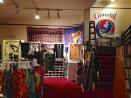
Latest Edition of Ozarks at Large
Monday, June 30, 2014

Ahead on this edition of Ozarks, we say good night to iconic places and events in Fayetteville. Plus, we talk with researchers at the University of Arkansas who were sent around the world by PBS for a national show, Time Scanners.
A new exhibit at the Arts Center of the Ozarks in Springdale follows the White River in photographs and stories.
"(Come On) Let's Play Monopoly" by Mark Mitchell
Walton Arts Center has song and dance this week, and more next week.
Adams Collins will host a CD release party tonight at Scarpino’s in Fayetteville for his recording, Coffeepot. This week he performed live inside the Firmin Garner Performance Studio.
Governor Mike Beebe urges Republican state legislators to look at all possible solutions to shore up the shortfall in the state's Medicaid system, though he stated he is against using one-time budget surplus funds to close the gap. The city of Fayetteville looks into selling a bit of land in an effort to clear an eyesore in the name of new commerce.
"Circus" by Garage A Trois
A new report released yesterday by the Winthrop Rockefeller Foundation finds that Arkansas had the fourth-highest rate of immigrant population in the United States during the first decade of this century. But while the state's immigrant population remains below the national average, the report also says that the growth has been beneficial to the state's economy.


